Harnessing Reiki Energy for Spiritual Healing
- aaushayjanae
- Aug 9
- 4 min read
Reiki, a form of energy healing that originated in Japan, has gained popularity worldwide for its ability to promote relaxation, reduce stress, and enhance overall well-being. As more people seek alternative methods for healing, understanding how to harness Reiki energy can be a transformative experience. This blog post will explore the principles of Reiki, its benefits, and practical ways to incorporate it into your spiritual healing journey.
Understanding Reiki
What is Reiki?
Reiki is a holistic healing practice that involves the transfer of universal life energy from the practitioner to the recipient. The term "Reiki" comes from two Japanese words: "Rei," meaning universal, and "Ki," meaning life energy. This energy is believed to flow through all living things and can be harnessed to promote healing and balance.
The Principles of Reiki
Reiki is based on five core principles that guide practitioners in their work:
Just for today, I will not be angry.
Just for today, I will not worry.
Just for today, I will be grateful.
Just for today, I will do my work honestly.
Just for today, I will be kind to every living thing.
These principles encourage mindfulness and a positive mindset, which are essential for effective healing.
The Benefits of Reiki
Reiki offers numerous benefits for both physical and emotional well-being. Here are some of the most notable advantages:
Stress Reduction and Relaxation
One of the primary benefits of Reiki is its ability to induce deep relaxation. Many individuals report feeling a sense of calm and tranquility during and after a session. This relaxation response can help reduce stress levels, which is crucial for overall health.
Pain Relief
Reiki has been shown to alleviate various types of pain, including chronic pain conditions. By promoting relaxation and reducing tension, Reiki can help the body release pain and discomfort.
Emotional Healing
Reiki can also support emotional healing by helping individuals release negative emotions and trauma. Many people find that Reiki sessions allow them to process feelings they may have been holding onto, leading to a greater sense of emotional balance.
Enhanced Spiritual Growth
For those on a spiritual journey, Reiki can facilitate deeper connections with oneself and the universe. It encourages self-discovery and personal growth, making it a valuable tool for spiritual seekers.
How to Harness Reiki Energy
Finding a Qualified Practitioner
If you're new to Reiki, consider seeking out a qualified practitioner. Look for someone who is certified and has experience in the field. A good practitioner will create a safe and comfortable environment for your healing session.
Self-Reiki Techniques
You don't need to be a trained practitioner to benefit from Reiki. Here are some simple self-Reiki techniques you can practice at home:
Set Your Intention: Before beginning, take a moment to set a clear intention for your session. This could be related to healing, relaxation, or personal growth.
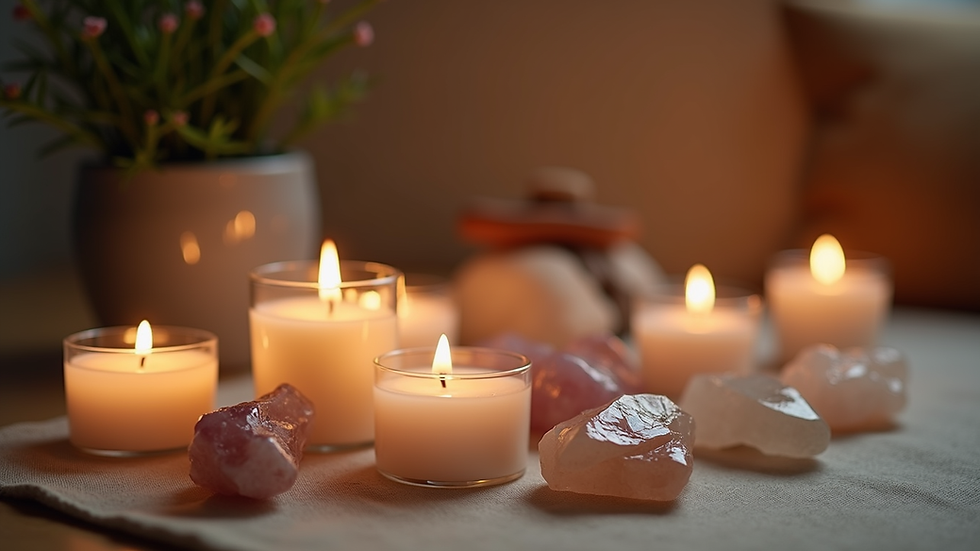
Create a Calm Space: Find a quiet, comfortable space where you can relax without distractions. Consider using soft lighting, candles, or calming music to enhance the atmosphere.
Use Your Hands: Place your hands on or near your body, focusing on areas that need healing. You can also use hand positions that correspond to the chakras, which are energy centers in the body.
Breathe Deeply: As you practice self-Reiki, take deep breaths to help you relax and connect with the energy flowing through you.
Visualize Energy Flow: Imagine a warm, healing light flowing from your hands into your body. Visualize this energy dissolving any tension or discomfort.
Incorporating Reiki into Daily Life
Reiki can be integrated into your daily routine in various ways:
Morning Rituals: Start your day with a few minutes of self-Reiki to set a positive tone for the day ahead.
Mindful Breaks: Take short breaks throughout the day to practice deep breathing and self-Reiki, especially during stressful moments.
Evening Reflection: Before bed, spend time in meditation or self-Reiki to release any lingering stress and promote restful sleep.
The Role of Reiki in Spiritual Healing
Reiki and Chakra Balancing
Chakras are energy centers in the body that can become blocked or imbalanced due to stress, trauma, or negative emotions. Reiki can help clear these blockages, allowing energy to flow freely and promoting overall well-being. By focusing on specific chakras during a session, practitioners can facilitate healing and balance.
Reiki and Meditation
Combining Reiki with meditation can enhance the benefits of both practices. During meditation, you can focus on your breath while channeling Reiki energy to yourself or others. This combination can deepen your spiritual experience and promote a greater sense of peace.
Reiki and Intuition
Many practitioners find that Reiki enhances their intuitive abilities. As you become more attuned to the energy around you, you may develop a stronger sense of intuition, helping you make decisions that align with your highest self.
Conclusion
Harnessing Reiki energy for spiritual healing can be a profound and transformative experience. Whether you choose to work with a practitioner or practice self-Reiki, the benefits of this ancient healing art are accessible to everyone. By incorporating Reiki into your life, you can promote relaxation, emotional healing, and spiritual growth.
As you embark on your Reiki journey, remember to approach it with an open heart and mind. Embrace the process, and allow the energy to guide you toward a deeper understanding of yourself and your connection to the universe. Start today, and discover the healing power of Reiki for yourself.

Comments